Top play-driven training methods for dog parents using 30A Dog Training
Wiki Article
Unlock the Tricks of Successful Dog Training for a Happier and Mannerly Animal
Effective dog training depends upon a deep understanding of canine actions. By acknowledging how pets interact, proprietors can better deal with their requirements. Uniformity and positive support play crucial functions in fostering preferable habits. Several still battle with common mistakes that can hinder development. As the trip of training unravels, exploring efficient methods can disclose the potential for a happier, well-adjusted animal. The following actions might stun also one of the most seasoned dog owners.Understanding Your Dog's Habits
The Significance of Uniformity in Training
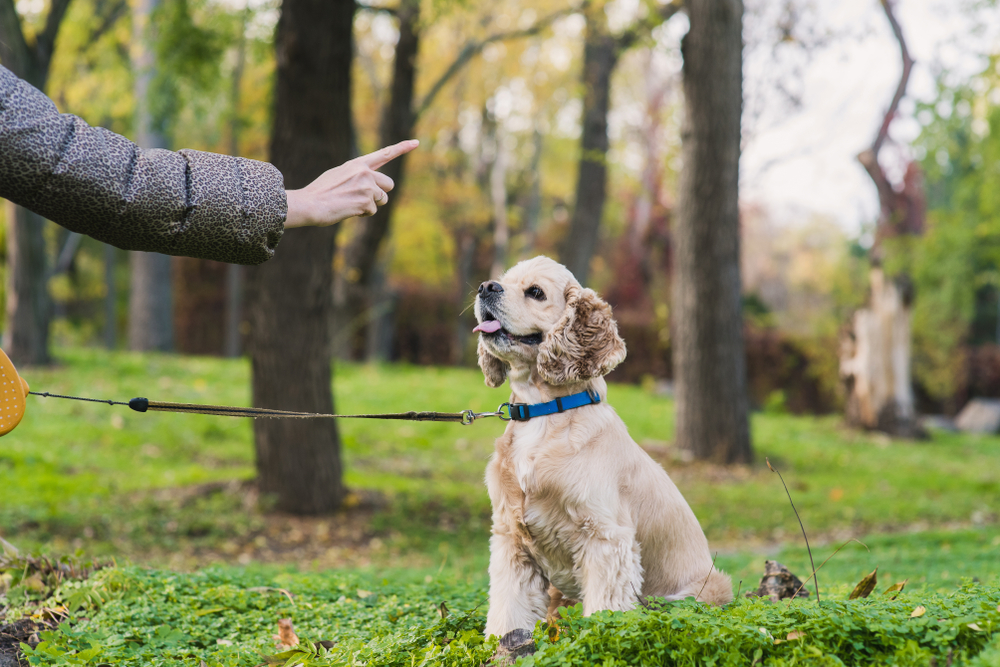
Consistency in training is necessary for cultivating a dog's understanding of assumptions and commands, as it creates a steady knowing atmosphere. Dogs are much more most likely to understand what is being asked of them when proprietors use the same commands, cues, and rewards consistently. Irregular training can result in confusion, where pets may not understand which actions are preferred, resulting in aggravation for both the pet and the proprietor. Establishing a routine assists reinforce understanding, enabling dogs to connect specific activities with their corresponding commands. In addition, constant support of policies and boundaries assists cultivate etiquette gradually. Ultimately, a dedication to uniformity not only boosts a canine's training experience yet also reinforces the bond between the pet dog and owner.
Favorable Support Methods
Favorable reinforcement methods are essential for efficient dog training, stressing the significance of incentives and treats. Uniformity and timing play important duties in reinforcing preferred behaviors, making certain that dogs make the connection in between their activities and the positive results. By carrying out these approaches, trainers can promote an extra engaging and effective learning environment for their animals.Incentives and Deals with
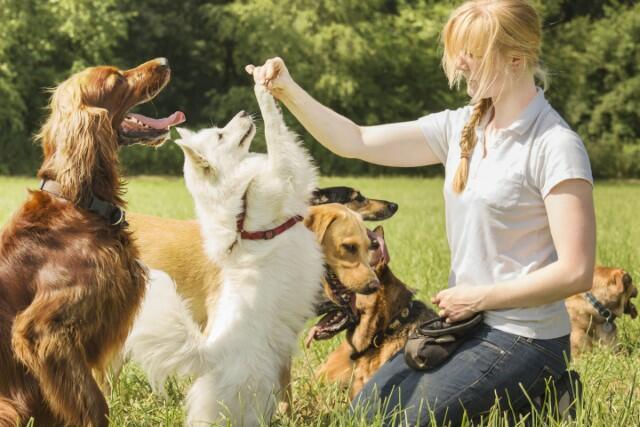
Effective dog training typically rests on the tactical usage of rewards and treats, which act as powerful incentives for canine behavior. These rewards can greatly boost a dog's desire to learn and conform with commands. When a pet dog efficiently performs a preferred activity, immediate benefits-- such as yummy treats or enthusiastic praise-- strengthen that actions. The sort of benefit can differ, depending upon the private dog's choices; some might react better to food treats, while others might grow on spoken affirmations or play. Additionally, varying the rewards can maintain a dog's interest and involvement throughout training sessions. By using benefits successfully, fitness instructors can produce positive organizations, bring about enhanced obedience and a happier, well-adjusted animal.Consistency and Timing
Effective dog training is not exclusively reliant on rewards and deals with; it additionally relies on the uniformity and timing of those reinforcements. Uniformity entails using the exact same commands and reactions across different training sessions, ensuring that the dog recognizes assumptions. Timing, on the various other hand, is essential; incentives must be offered immediately after a wanted habits to produce a clear connection in between the incentive and the activity. Delayed reinforcement can confuse dogs, leading them to associate the reward with an unrelated behavior. By maintaining consistent signs and providing prompt reinforcement, instructors improve the possibility of desired actions being repeated. This combination fosters a strong understanding, ultimately causing a well-behaved and satisfied animal.Usual Training Mistakes to Stay Clear Of
Lots of dog owners unconsciously drop into typical training challenges that can hinder their development. One key error is variance in assumptions and commands, which perplexes the dog and delays finding out. Additionally, numerous proprietors fall short to acknowledge the relevance of gratifying excellent behavior immediately, bring about misunderstandings regarding what activities are being enhanced. Over-reliance on punishment as opposed to positive support can also create concern and anxiousness, ultimately damaging the bond in between pet and proprietor. An additional typical error is neglecting to educate in varied environments, restricting a canine's flexibility. Establishing impractical assumptions can lead to irritation for both the proprietor and the dog. Understanding of these risks is necessary for fostering effective training and a harmonious relationship with the pet dog.
Socializing: Trick to a Well-Adjusted Dog
Socializing is vital for establishing a well-adjusted dog, as it subjects them to various people, settings, and experiences. Early and regular socializing assists dogs learn appropriate actions, lowering anxiety and anxiousness in unknown circumstances. By communicating with different dogs, individuals, and stimulations, they end up being a lot more adaptable and certain. Positive experiences during socialization can protect against future behavior problems, such as hostility or excessive shyness. It is important for owners to create opportunities for their why not try here dogs to involve with varied setups, whether via puppy classes, dog parks, or structured playdates. A well-socialized dog is usually extra unwinded and simpler to train, causing a better pet dog and a much more harmonious connection with their proprietor and the neighborhood.Constructing a Strong Bond Via Training
Establishing a solid bond between a pet dog and its owner is necessary for effective training and total companionship. This bond is developed via constant training sessions that make use of positive reinforcement strategies - Dog Trainer Santa Rosa Beach. When a proprietor rewards preferred actions with treats, appreciation, or play, the dog learns to connect training with positive experiences. Furthermore, investing quality time with each other, such as taking part in play or outdoor tasks, fosters depend on and understanding. Regular training not only improves interaction but likewise aids the dog feel protected and valued. As the partnership deepens, the dog ends up being a lot more responsive to commands, resulting in a mannerly pet dog. Ultimately, a strong bond causes a harmonious partnership, enhancing both the dog's and proprietor's livesRegularly Asked Inquiries
For How Long Should Training Sessions Last for Best Results?
What Age Is Perfect to Begin Training My Young Puppy?
The perfect age to begin training a pup is around 8 weeks. At this stage, they are responsive to discovering and socialization, which lays a solid foundation completely actions and obedience throughout their lives.Can Older Canines Find Out New Commands Successfully?
Yes, older dogs can find out new commands successfully. While they may require more patience and constant reinforcement, their capability to respond and comprehend to training can be equally as solid as that of younger pets.Exactly how Do I Take Care Of Diversions During Training?
To manage distractions during training, one need to choose a peaceful setting, gradually introduce distractions, utilize high-value benefits, and keep the dog's focus with regular cues and persistence, ensuring a favorable discovering experience for the pet dog.
What Devices Do I Required for Successful Dog Training?
Vital tools for effective dog training consist of a durable leash, collar or harness, deal with bag, high-value treats, remote control, training floor covering, and toys. These items promote efficient communication and favorable support, guaranteeing a productive training experience.
While several dog owners may think they comprehend their pet's actions with ease, a deeper expedition exposes that canines connect with a complex mix of websites body language, articulations, you can look here and social hints. Additionally, a pet's social communications with other pet dogs and humans give necessary context regarding its behavior. It is essential for proprietors to produce opportunities for their pet dogs to involve with diverse setups, whether with puppy courses, dog parks, or structured playdates. When an owner compensates preferred habits with treats, praise, or play, the dog learns to associate training with favorable experiences. Vital devices for effective dog training include a durable chain, collar or harness, deal with bag, high-value deals with, clicker, training floor covering, and toys.
Report this wiki page